Form
Tools
The verdict
Where this pick fits.
Air-powered instead of corded or battery — you'll need a compressor, but in exchange you get a lighter tool that never slows down under load. Comes with twenty sandpapers and a case, so it shows up ready to work.
Air-driven and fast, if your compressor can keep up. Bare-bones, high-RPM.
Quick take
- Best for: car paint prep, wood sanding, shops with a compressor
- Format: Tools
- Tier: Mid tier
The full read
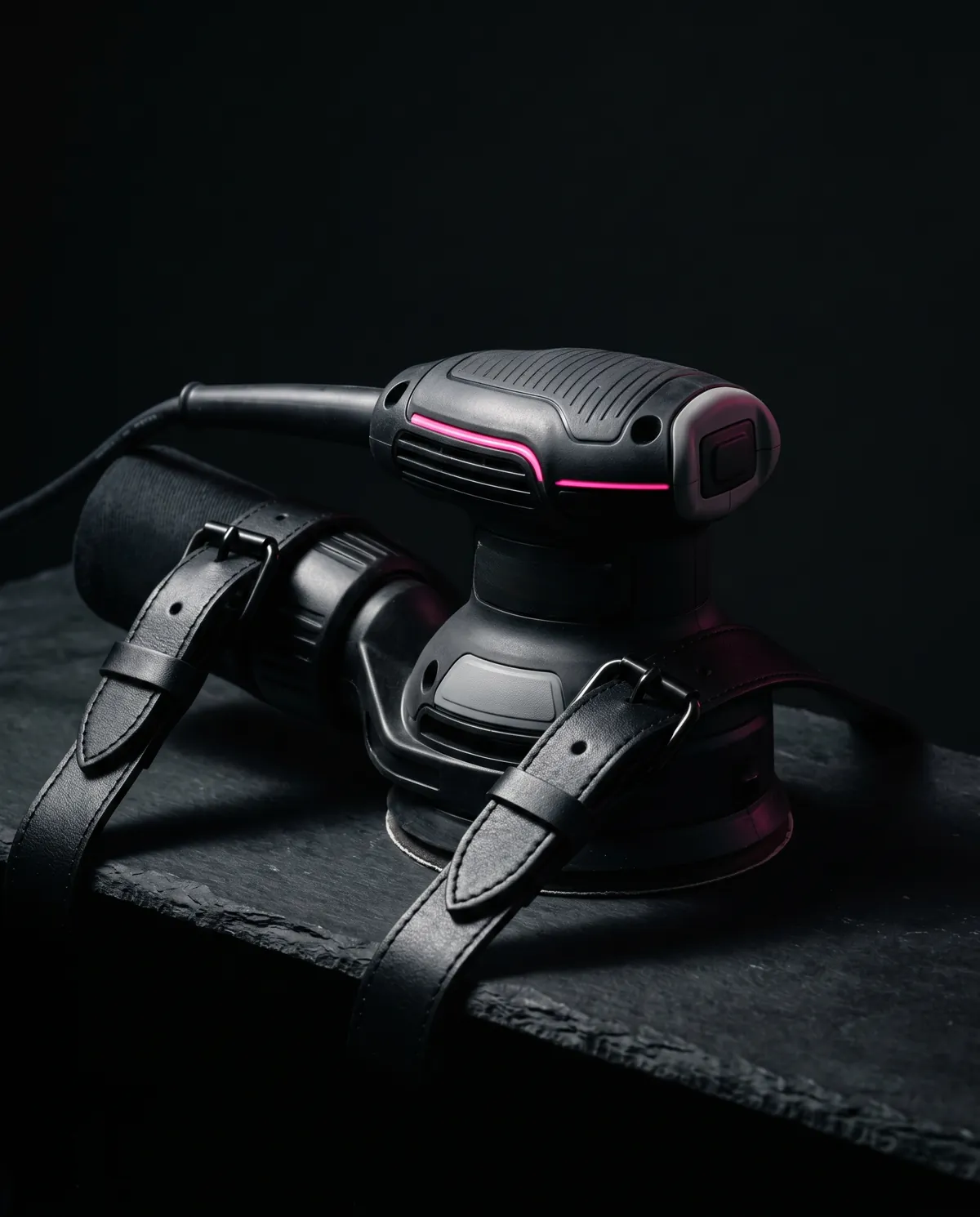
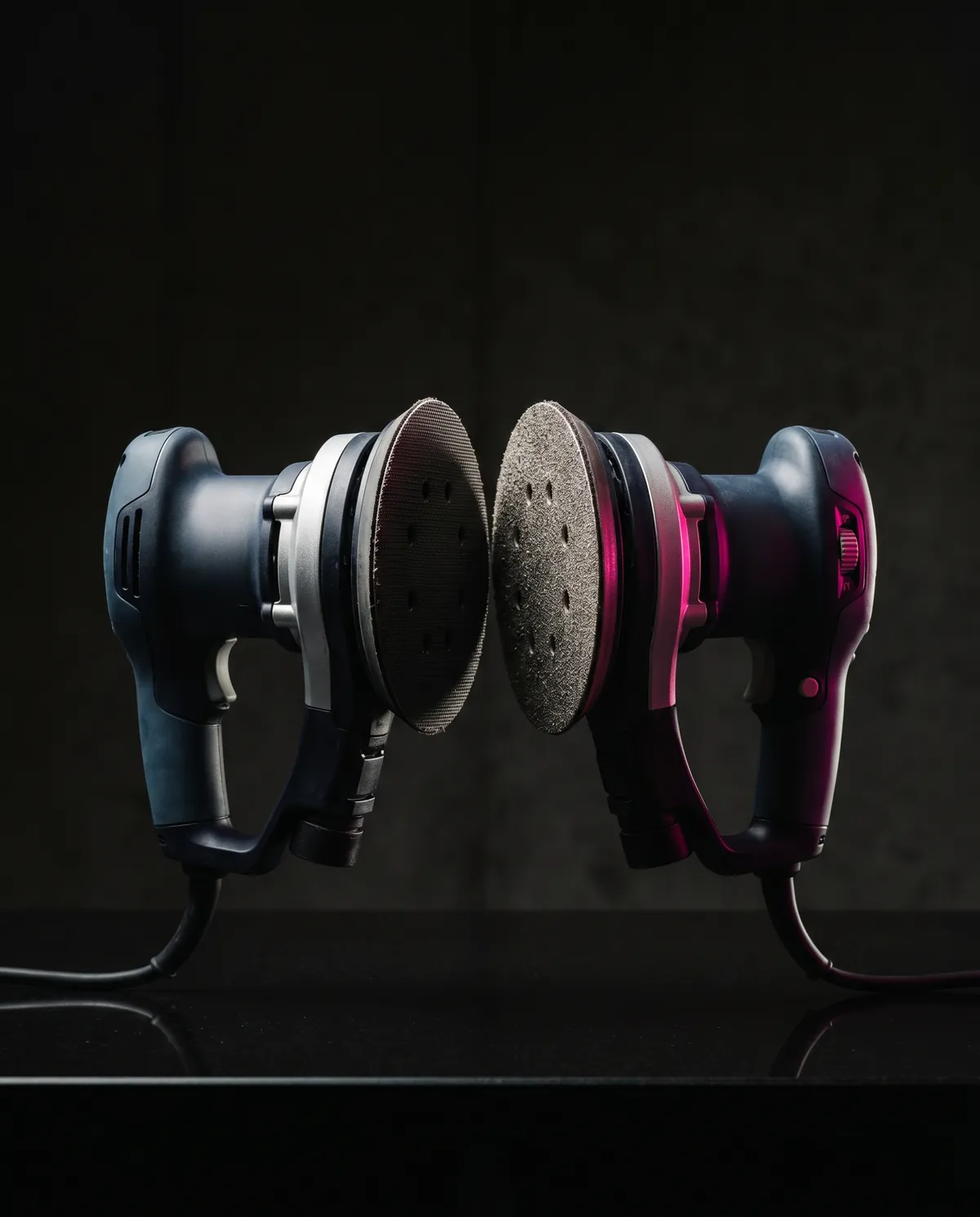
Not paper — a 5-inch pneumatic random orbital that runs on air instead of a cord or a battery. The catch is honest: you'll need a compressor to feed it. The payoff is a lighter tool that keeps its 12000 RPM composure under load, where a corded or cordless sander would bog down and start whining about the pressure.
That's the real argument for air. Pneumatic sanders shrug off heavy pushing that would stall a lesser motor — this one genuinely doesn't seem to know what slowing down feels like. It ships with twenty sheets and a case, so it turns up ready for car paint prep or wood sanding straight out of the box, no shopping trip first.
A 3.7, bare-bones and high-RPM, with one big asterisk: it's only as good as the compressor behind it. Give it enough air and it's fast and tireless. Starve it and it's a paperweight. Buy it if your shop already breathes compressed air; skip it if it doesn't.
Use it when
The fit is obvious.
- · Reach for the Proster Pneumatic Sander when the job is car paint prep, wood sanding, and shops with a compressor — that is the fight it was built for.
- · Reach for it when you plan to run one tool through discs, pads, and compounds across a whole progression.
- · Reach for the machine when the surface is big enough that steady pressure and honest repetition beat hand feel.
Skip it when
The job asks for something else.
- · Leave it if a simple hand setup finishes the work before the tool is even plugged in.
- · Leave it if you already know you want the premium option; a mid-tier pick is a compromise, and you clearly are not in the mood for one.
- · Leave it if the job is tiny, edge-heavy, or too irregular for a machine to help more than it hurts.
Best for
Where it earns its keep.
- · car paint prep
- · wood sanding
- · shops with a compressor
Keep moving
Useful next clicks.
Buyer questions
The practical questions.
What is the Proster Pneumatic Sander actually good at?
Air-driven and fast, if your compressor can keep up. Bare-bones, high-RPM. Air-powered instead of corded or battery — you'll need a compressor, but in exchange you get a lighter tool that never slows down under load. Comes with twenty sandpapers and a case, so it shows up ready to work. In short: it earns its keep on car paint prep, wood sanding, and shops with a compressor.
Is this the right format to start with?
Treat it as a tools decision first. Reach for the machine when the surface is big enough that steady pressure and honest repetition beat hand feel.
What should you put it up against before buying?
Put it against other tools in the same price band doing the same job — that is where speed, finish, and cost-per-use sort themselves out.
Rough start. Smooth finish. The gap between is where the work happens.
House rule
UltraRough earns a small commission on Amazon links. Your price is identical. Our take doesn't soften for anyone.