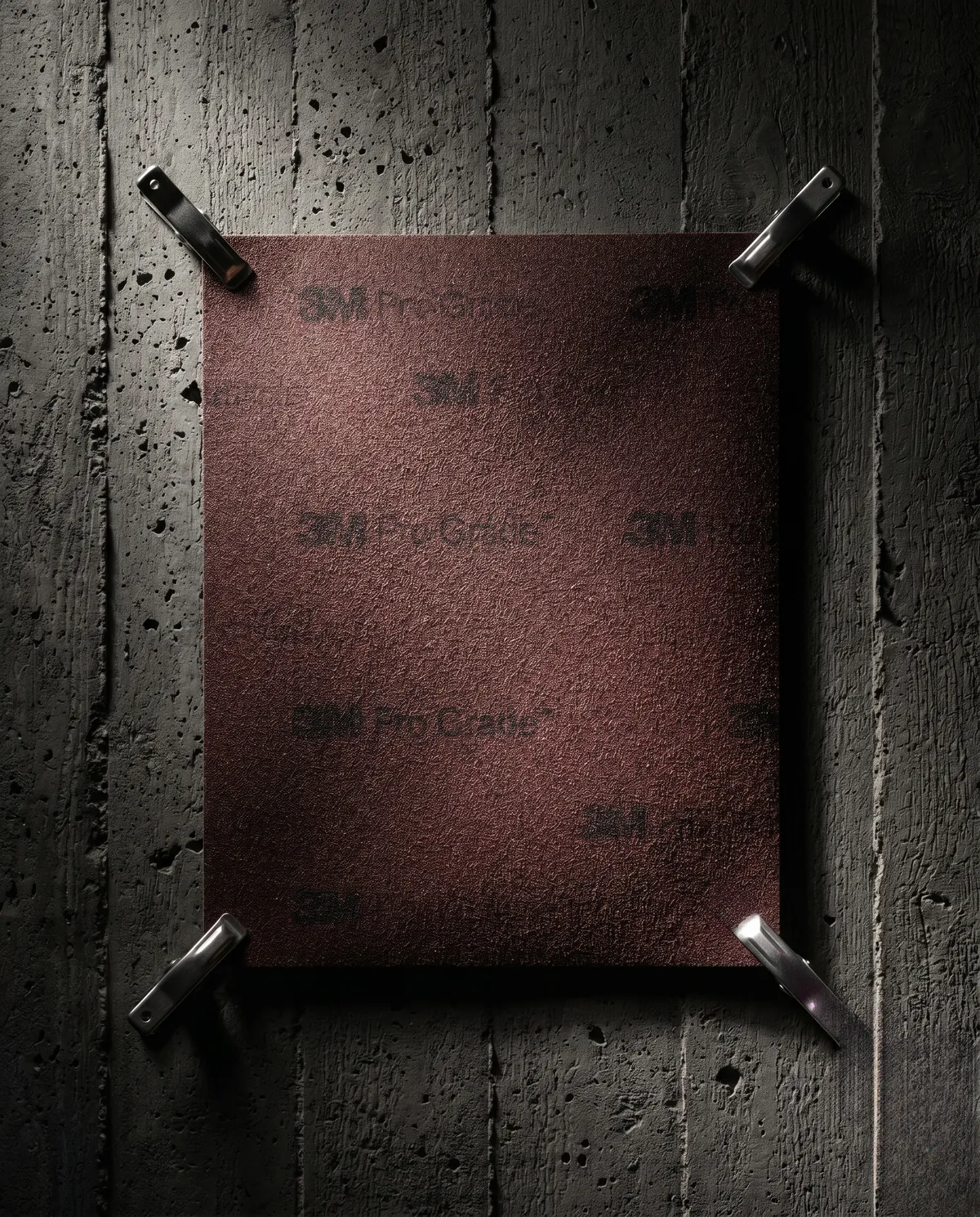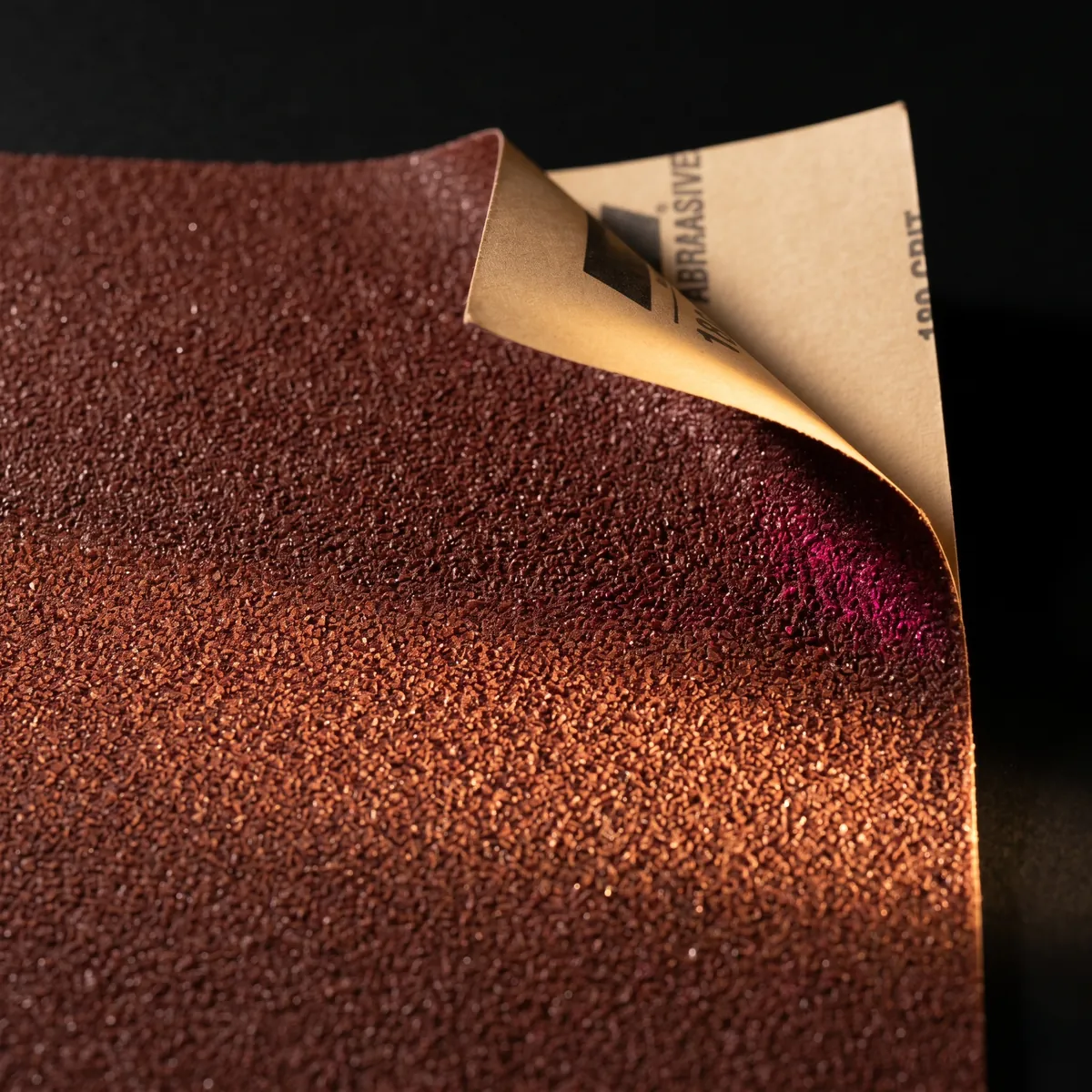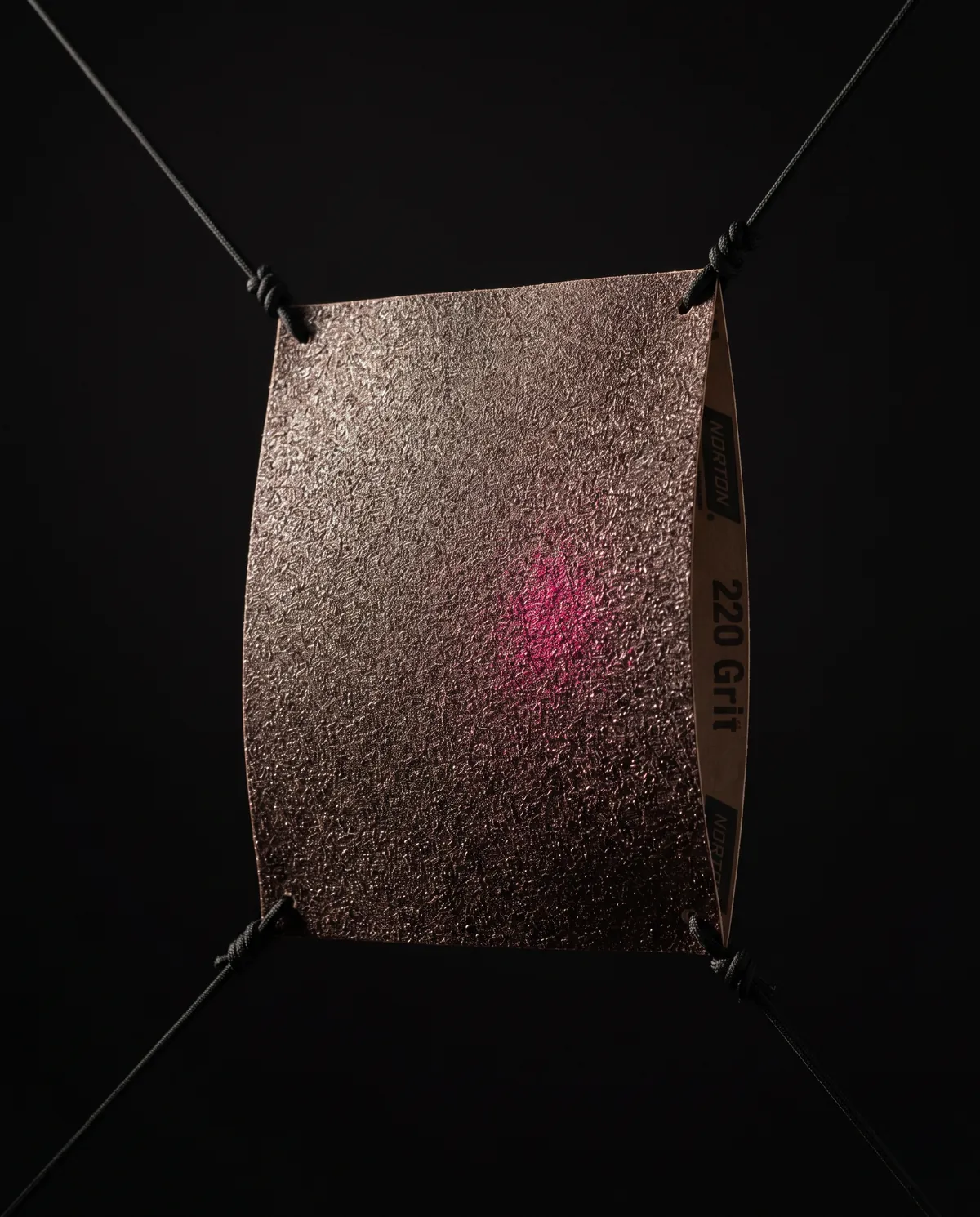
The verdict
Where this pick fits.
120 is where the rough work ends and the real work begins. Norton's 3X ceramic stays sharp through the whole sheet and doesn't ask you to slow down.
The ceramic middle child that quietly does the most work in the room.
Quick take
- Best for: hardwood first pass, paint prep, after the rough work
- Format: Sheets
- Tier: Pro tier
- Grit lane: 80, 100, 120, 150
The full read
120 is the pivot point of any sanding job — the grit where the rough shaping ends and the work that actually shows up in the finish begins. Get it right and everything after goes smoothly; rush it and every finer grit just polishes your mistakes. Norton's 3X is ceramic grain, which stays sharp deep into the sheet instead of dulling after a few passes, so it keeps cutting at full pace and doesn't quietly ask you to slow down halfway through.
Ceramic is a step up from ordinary aluminum oxide precisely here: the grain micro-fractures as it works, constantly exposing fresh edges, so a single sheet does more hardwood, more paint prep, and more general first-pass work before it's spent. Twenty to a pack, and each one earns its keep — you'll change sheets less and finish faster.
It's pro-grade paper at a fair sheet price, and it's the unglamorous middle child that ends up doing the most work in the room. Nobody frames a 120-grit sheet, but this is the grit that decides whether a project goes well or badly, and Norton's version does the deciding without a fight. Buy it by the pack; you'll go through it and be glad you had more.
Use it when
The fit is obvious.
- · Reach for the Norton 3X 120-Grit Sandpaper when the job is hardwood first pass, paint prep, and after the rough work — that is the fight it was built for.
- · Ceramic grain fractures into fresh edges as it wears, so it stays hungry long after cheaper grit goes dull and starts rubbing instead of cutting.
- · This is the working middle: enough bite to matter, refined enough to leave the job somewhere worth continuing.
Skip it when
The job asks for something else.
- · Leave it if you are actually solving a different stage of the climb than the one this pick was chosen for.
- · Leave it if the budget is tight enough that value-per-pack matters more than top-end feel and longevity — good mid-tier paper will get you there slower.
- · Leave it on the shelf if you are flattening big panels all day — a random orbital keeps pressure even where your hand drifts.
Best for
Where it earns its keep.
- · hardwood first pass
- · paint prep
- · after the rough work
Keep moving
Useful next clicks.
Buyer questions
The practical questions.
What is the Norton 3X 120-Grit Sandpaper actually good at?
The ceramic middle child that quietly does the most work in the room. 120 is where the rough work ends and the real work begins. Norton's 3X ceramic stays sharp through the whole sheet and doesn't ask you to slow down. In short: it earns its keep on hardwood first pass, paint prep, and after the rough work.
Is 120 the right grit lane for this?
It sits closest to 80 grit, 100 grit, 120 grit, and 150 grit. This is a cutting stage, not a finish stage. Use it to remove material, not to fake smoothness.
What should you put it up against before buying?
Put it against other sheets in the same price band doing the same job — that is where speed, finish, and cost-per-use sort themselves out.
Rough start. Smooth finish. The gap between is where the work happens.
House rule
UltraRough earns a small commission on Amazon links. Your price is identical. Our take doesn't soften for anyone.